



Success Stories

Winner - ' David Munyakei Award 2009'

ICJ Kenya was recently awarded “the David Munyakei Award 2009” by Dunia Moja (One World) a non – governmental organization affiliated to the ONE WORLD International Human Rights Film Festival, with legal hosing by Kenya Human Rights Commission in Kenya. It is a member of the Human Rights Film Network, which joins together 19 festivals throughout the world. It was founded in 2008 with the goal of entrenching human rights and democratic values in Kenya via human rights films screen. The award was given to the ICJ Kenya for its sustained efforts in encouraging democratic politics and good governance in Kenya.

ICJ Kenya has all along worked towards creating an informed society that can demand for democratic practice at all levels of structures of governance. ICJ hopes that an informed citizenry will be able participate in fully in governance issues in our country.

Judicial Reform

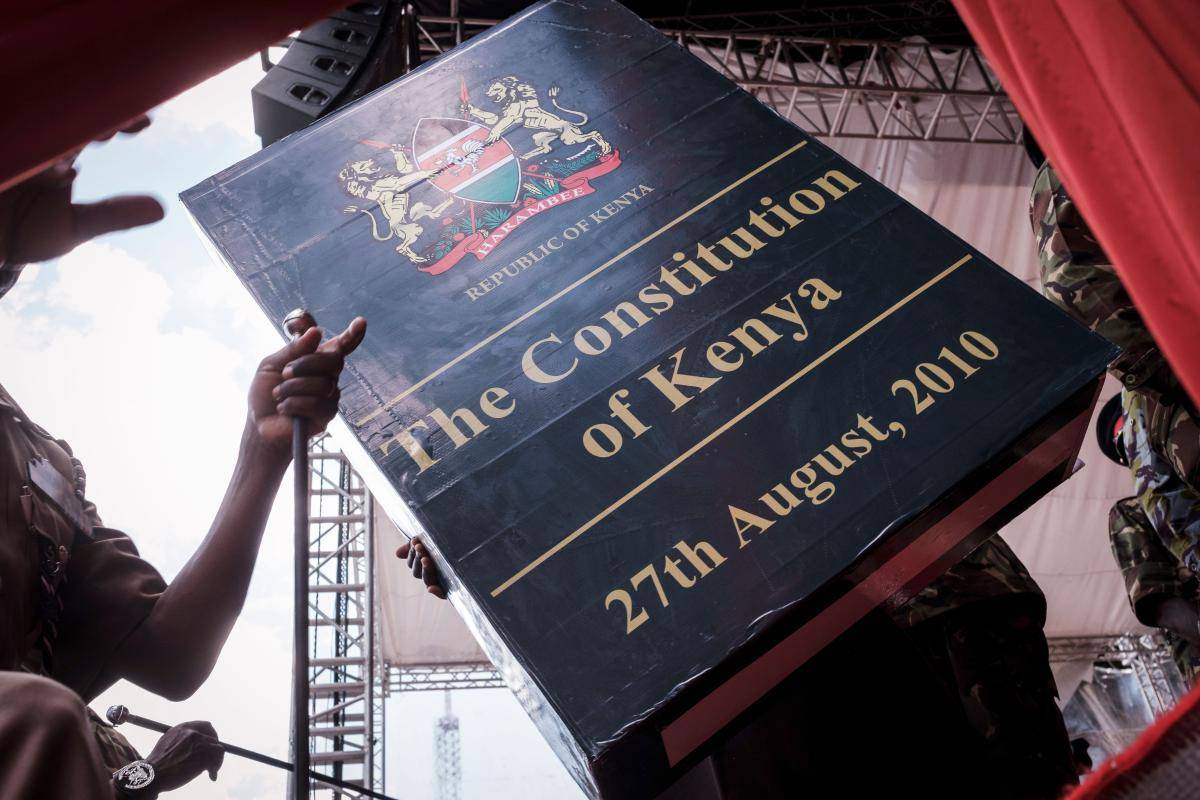
“Through a grant from USAID in 2000, ICJ Kenya took on a key role in engaging the judiciary and other stakeholders to push for badly-needed reforms. ICJ Kenya researched and disseminated information on corruption in the judiciary to give credibility to their campaign. This information, which was used as a lobbying tool, clearly indicated that the public faith in the system was weak. ICJ Kenya also worked to design activities to address priority areas for reform as identified by the public. Through media information kits, public lectures and discussions, ICJ Kenya succeeded in pushing judicial reforms to the front pages of the newspapers. ICJ Kenya also used this information to advocate for constitutional review and as a result, over 80 percent of ICJ Kenya's reform proposals on the judiciary were incorporated in the draft Constitution

In 2003, after three years of pushing for judicial reforms, ICJ Kenya saw unprecedented shifts taking place within the judiciary. A new chief justice was appointed with the mandate of reforming this key institution. In March, the chief justice appointed an Integrity and Anti-Corruption Committee headed by Justice Aaron Ringera. In September, the Ringera Committee, as it was popularly known, released its report which revealed specific malfeasance at all levels of the judiciary, with a total of 105 judicial officers accused of corruption. As the president began to take steps to establish tribunals to investigate allegations contained in the committee's report, 15 of the 23 accused judges resigned, while the remaining judges were suspended. Their suspension and resignation has paved the way for constructive dialogue between the Judiciary and key stakeholders”.

USAID Website

Achievements

This is a list of some of the notable facts and accomplishments of ICJ Kenya and past and present ICJ Kenya employees and Council Members:
  • ICJ-Kenya is the only national section of the International Commission Of Jurists in Africa.
  • ICJ-Kenya has observer status in the African Commission on Human and People’s Rights.
  • In November 2003, Mr. Kathurima M’Inoti, who had been a Chairman of ICJ-Kenya between 1995 and 1999, was elected a Commissioner of the International Commission of Jurists. He is a leading constitutional lawyer and is currently the Chairman of the Kenya Law Reform Commission. He is the second Kenyan to be elected a Commissioner to this prestigious international body.
  • Throughout the 1990s, inefficiency, incompetence and corruption in the Judiciary increased and as a result, public confidence in the system reaching all-time lows. Kenyans view the judicial system as hostile, partial and not independent. ICJ-Kenya took the lead to initiate judicial reforms. We have held workshops to train Judicial Officers on human rights issues and gender mainstreaming. ICJ-Kenya’s key campaign in the Judiciary was to engage the Judiciary to push badly needed reforms.  Since 2001, ICJ has researched and disseminated information on required reforms to back the campaign. The campaign designed activities to address priority areas for reform as identified by the public and forwarded to the Judiciary for implementation.  Through media information kits, public lectures and discussions, ICJ pushed the need for judicial reform into public debate. In addition, over 80% of ICJ Kenya’s reform proposals on the Judiciary were incorporated in the draft Constitution.